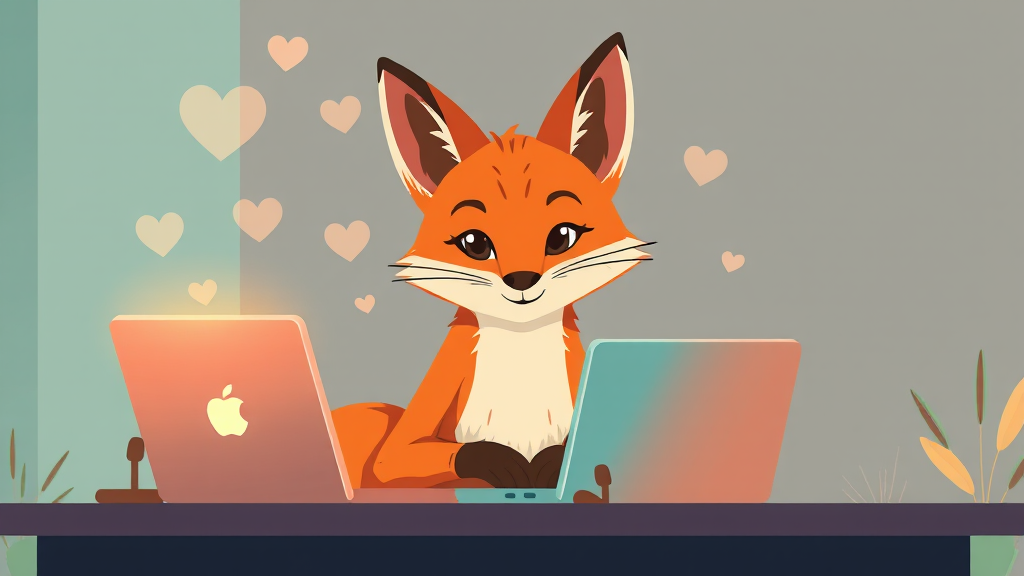
Furry AI Chat: How Anthropomorphic Characters Are Reshaping Online Conversation
Online conversation has quietly undergone one of its biggest transformations in years. Instead of scrolling through static profiles or waiting for a friend to reply, more people are opening a browser tab and starting a furry ai chat with a character that has a personality, a backstory, and a distinctive voice. These characters are anthropomorphic — part human, part animal — and they respond in real time, remember what you said earlier, and adapt their tone as the conversation evolves. For anyone who has ever enjoyed fantasy storytelling, roleplay communities, or simply wanted a chat partner who never gets bored of their interests, this format feels less like a gimmick and more like a natural next step for digital interaction.
The appeal is easy to underestimate until you try it. A well-built furry character is not a generic chatbot wearing a fox avatar. It has quirks, opinions, and a consistent identity that shapes every reply. That consistency is what turns a short test message into a twenty-minute conversation — and it is the reason the trend has moved from niche forums into mainstream AI platforms.
What Exactly Is a Furry AI Chat?
A furry AI chat is a conversation between a human user and an AI-driven character designed around anthropomorphic traits. The character might be a wolf detective, a dragon librarian, a cat barista, or something entirely original. What matters is that the AI is trained or prompted to stay in character, using a defined personality, speech style, and set of interests.</n
Unlike a standard assistant that answers questions and then goes silent, these characters are built for ongoing dialogue. They ask follow-up questions, react to emotional cues, and maintain continuity across a session. Some platforms let users adjust traits like friendliness, humor, or formality, which means the same character can feel playful in one conversation and thoughtful in another.
The technical foundation is usually a large language model combined with a character card or system prompt. The model handles language generation, while the character definition keeps the persona stable. When both parts work well, the result feels less like talking to software and more like talking to someone with a recognizable personality.
Why Anthropomorphic Characters Feel Different
Humans have told stories about talking animals for thousands of years. From ancient fables to modern animation, anthropomorphic characters give us a way to explore human ideas through a slightly different lens. That cultural familiarity makes furry characters unusually effective in AI chat for a few practical reasons.
First, they lower social pressure. A user who feels awkward talking about loneliness, creativity, or personal interests may find it easier to open up to a character that is explicitly fictional. Second, they invite playfulness. A fox character can be witty and mischievous in ways that would feel strange coming from a generic assistant. Third, they support world-building. Users can invent settings, quests, and relationships, turning a simple chat into collaborative storytelling.
There is also a visual dimension. Good furry AI characters come with avatars, descriptions, and sometimes voice options. That combination of text and imagery helps users form a mental model of who they are talking to, which in turn makes the conversation feel more coherent.
How People Actually Use These Chats
Usage patterns vary widely, and that variety is part of what makes the format interesting. Some users treat it as pure entertainment — a way to unwind after work with a character who tells jokes or plays along with a silly scenario. Others use it for creative writing, testing dialogue for a novel or comic before committing it to the page.
Another common use is companionship. Not everyone has a friend available at 2 a.m., and not everyone wants to burden a real person with every passing thought. A character that responds warmly and consistently can fill a small but meaningful gap. This is not a replacement for human relationships, and most users understand that. It is closer to a journal that talks back.
There is also a learning angle. People curious about AI capabilities often start with a character-driven chat because it is more engaging than a dry technical demo. They end up learning about prompt design, context windows, and model behavior without realizing they are doing it.
What Separates a Good Character From a Forgettable One
Not every furry AI chat is worth returning to. The difference usually comes down to a few design choices.
Consistency. A character that contradicts itself every few messages breaks immersion. Strong characters have clear boundaries — what they know, how they speak, what they care about.
Specificity. “A friendly wolf” is forgettable. “A retired mountain guide who now runs a tea shop and distrusts technology” is memorable. Specific details give the AI more to work with and give the user more to explore.
Responsiveness. The best characters react to what the user actually says rather than steering every reply back to a scripted topic. That responsiveness is what makes a conversation feel alive.
Visual identity. An avatar and a short description go a long way. They anchor the character in the user’s imagination and make the experience feel more complete.
Platforms like crushon have leaned into these principles by offering a wide range of character types and letting users browse by theme. That variety matters because no single character appeals to everyone. The ability to find one that clicks is often the difference between a five-minute experiment and a long-term habit.
The Technology Behind the Conversation
Under the hood, a furry AI chat relies on the same core technology as other conversational AI: a language model that predicts the next token based on context. What changes is how that model is guided.
Character cards typically define a name, appearance, personality traits, speaking style, and sometimes a short biography. These details are injected into the model’s context so that every reply is filtered through the character’s identity. More advanced setups add memory, allowing the character to recall earlier parts of the conversation or even details from previous sessions.
Latency also matters. A character that takes ten seconds to reply feels like a chatbot. A character that responds in under two seconds feels like a conversation partner. This is why platform infrastructure — servers, model optimization, caching — plays a bigger role than users might expect.
Safety and moderation are part of the picture too. Responsible platforms set boundaries around what characters can discuss, which protects users and keeps the experience comfortable for a broad audience.
Who Is This For?
The short answer is: more people than you might think. Fans of the furry fandom are an obvious audience, but they are far from the only one. Writers use these tools for character development. Roleplayers use them to explore scenarios. People who are shy in social settings use them to practice conversation. Curious technologists use them to see how far AI persona design has come.
Age-wise, the audience skews toward teens and young adults, but there is no hard rule. Anyone who enjoys imaginative dialogue can find something useful here. The common thread is a willingness to engage with a fictional character as if it were real enough to matter for the length of a conversation.
Practical Tips for a Better Experience
If you are new to this format, a few habits will improve your results.
Start with a character whose description genuinely interests you. Enthusiasm carries through into the conversation. Give the character something to work with — a setting, a mood, a question — rather than a bare “hi.” Treat the first few messages as setup; the AI will match the energy you bring.
If a reply feels off, gently redirect rather than restarting. Most models handle corrections well. Over time, you will learn which characters suit your style and which do not.
Finally, take breaks. These conversations can be absorbing, and a little distance helps you appreciate them more when you return.
Where the Trend Is Heading
Furry AI chat is still early. Voice interaction, richer memory, and more sophisticated emotional modeling are all on the horizon. As models improve, characters will become harder to distinguish from human conversation partners in short exchanges — though the best platforms will likely keep a clear line between fiction and reality.
What seems certain is that the format will keep growing. It combines two durable human interests: storytelling and connection. As long as people enjoy both, there will be an audience for characters that can talk back.
FAQ
Is furry AI chat safe to use?
Reputable platforms include moderation systems and content boundaries. As with any online service, it is wise to avoid sharing personal information and to choose platforms with clear safety policies.
Do I need to be part of the furry fandom to enjoy it?
No. Many users are simply curious about AI conversation or looking for a creative outlet. The anthropomorphic framing is a style choice, not a requirement for enjoyment.
Can these characters remember past conversations?
Some can, depending on the platform. Memory features vary, but many modern systems allow characters to recall details within a session and sometimes across sessions.
Are furry AI characters free to use?
Many platforms offer free access with limits, while premium tiers unlock additional characters, longer conversations, or advanced features. It is worth checking each platform’s pricing before committing.
What makes one character better than another?
Consistency, specificity, and responsiveness. A character with a clear personality and detailed background tends to produce more engaging conversations than a generic one.